What is Osteopathy
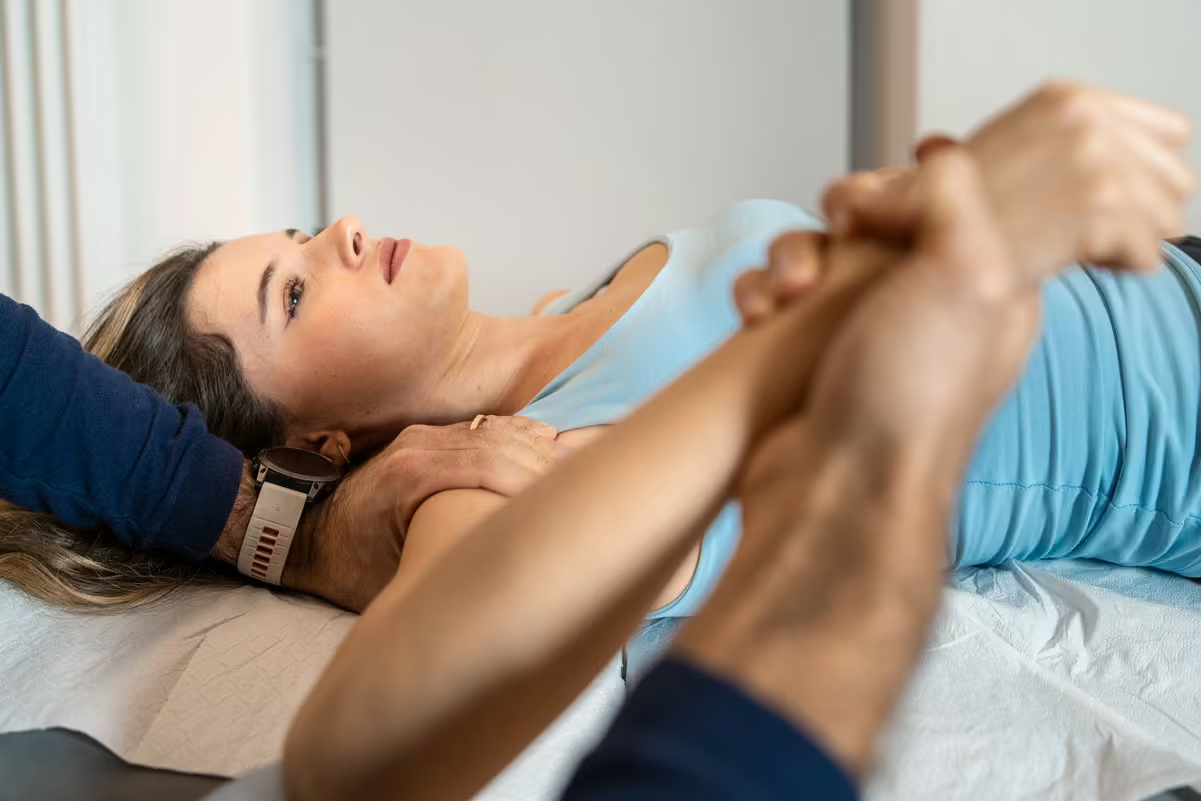
Osteopathy is a system of diagnosis and treatment which works with the structure and function of the body, to treat a wide range of conditions. Maintenance of optimal mechanical function is essential to good health. Problems in the body structure can disturb the circulatory system or nerves to any part of the body, and affect any aspect of health.
Osteopaths aim to return the structure and function of the body to as near a state of balance and harmony as possible, to restore the whole person to a state of good health.
What is The Difference Between Osteopathy, Chiropractic, and Physiotherapy?
People are often unsure whether they should see an osteopath, chiropractor or a physiotherapist. There is a great deal of overlap between the three professions and it is not unusual to find for example chiropractors who practise more like osteopaths and vice versa. To help clarify the situation, here is a brief guide to the treatment modalities.
Osteopathy
Osteopaths encourage the body’s own healing mechanism to repair tissues after an injury or problem. Often the focus is to facilitate an effective circulation to promote this. Techniques may include massage, stretching, postural and nutritional advice, and range from very subtle gentle cranial techniques to more vigorous mobilisation of joints and tissues.
Osteopaths undergo 4 year training, currently leading to a Masters degree in Osteopathy. They will also have undertaken in the region of 1500 hours of clinical experience prior to qualification.
Typically, sessions may last from 30-45 minutes and include a variety of treatment techniques.
Chiropractic
Chiropractors will aim to improve the function of the nerve supply to joints and tissues to improve health. Typically, this is achieved by manipulation of the spine – the ‘clicking’ that many will be aware of. Traditionally, chiropractors have utilised X-rays to examine the spine although under recent guidance this has diminished.
Chiropractors also undergo and extensive 4 year training with a high number of clinical hours.
Chiropractic treatment sessions tend to be shorter, in the region of 15-20 minutes and more frequent than osteopathy.
Physiotherapy
Physiotherapists aim to restore function and movement. There is often some ‘hands on’ work but much of the treatment may be through prescribed exercises.
Training is via a 3 year degree course and includes in the region of 1000 clinical hours.

Osteopathic Approaches
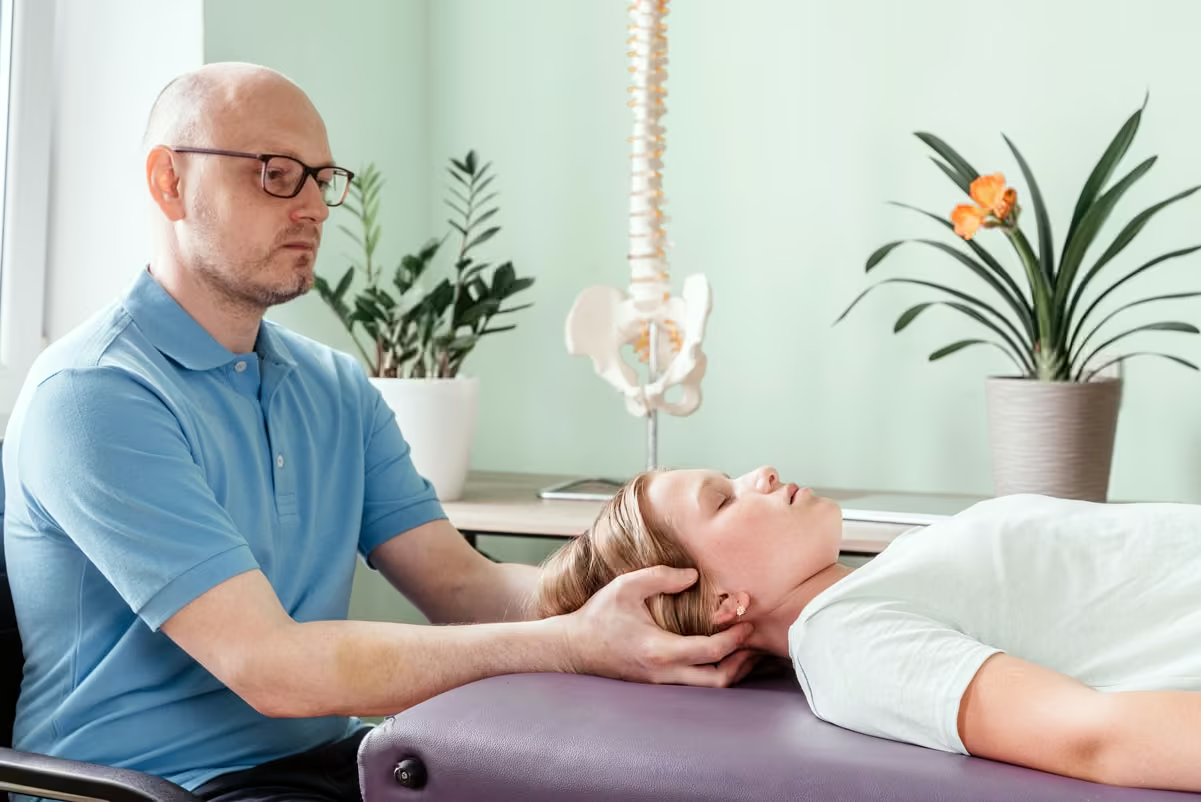
All the osteopaths in our long-established Haddenham clinic use a variety of osteopathic approaches. Osteopathy itself is a system of diagnosis and treatment which works with the structure and function of the body, to treat a wide range of conditions.
Maintenance of optimal mechanical function is essential to good health. Problems in the body structure can disturb the circulatory system or nerves to any part of the body, and affect any aspect of health.
Osteopaths aim to return the structure and function of the body to as near a state of balance and harmony as possible, to restore the whole person to a state of good health.
Types of Osteopathy
Cranial
Areas of Focus: Head, Sacrum, Body
All the osteopaths in our long-established Haddenham clinic use a variety of osteopathic approaches. Osteopathy itself is a system of diagnosis and treatment which works with the structure and function of the body, to treat a wide range of conditions.
Maintenance of optimal mechanical function is essential to good health. Problems in the body structure can disturb the circulatory system or nerves to any part of the body, and affect any aspect of health.
Osteopaths aim to return the structure and function of the body to as near a state of balance and harmony as possible, to restore the whole person to a state of good health.
Structural
Areas of Focus: The Musculoskeletal System
his is perhaps the best-known branch of osteopathy, with its
emphasis on the mechanical quality of the tissues, the joints of the spine and the limbs.
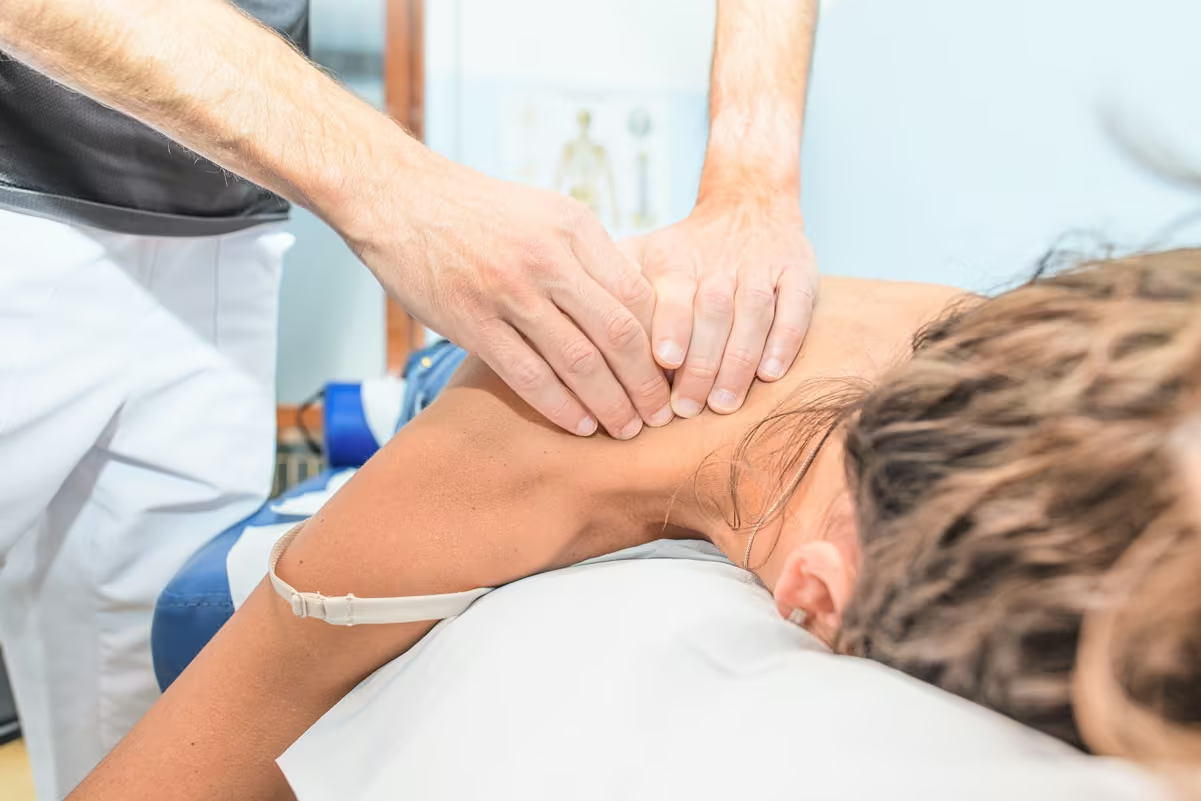
Treatment is by a combination of massage, stretch and manipulation of tissues and
joints as appropriate to the patient’s requirements.
Visceral
Areas of Focus: The Internal Organs
A less well-known area of osteopathic work is with the internal organs.
The function of any organ is related to that of its container,the musculoskeletal system, and good health in the lungs, heart or digestive system relies on an efficient structure; likewise if there are restrictions in the movement or position of an internal organ(due perhaps to disease, operation scars or adhesions) there may be a reciprocaleffect on the musculoskeletal system.
Assessment and treatment of internal organs is performed along the same lines as the cranial approach, usually in combination with it, and using gentle and subtle methods, to allow the tissues to respond at their own rate to enhance their potential for self-adjustment.
Read More About Osteopathy
Wikipedia, in a long and informative article about Osteopathy, states that: “(Osteopathy) emphasises the interrelationship between structure and function and recognizes the body’s ability to heal itself; it is the role of the osteopathic practitioner to facilitate that process”.
The principles about health and disease on which Osteopathy was developed and continues to flourish can be summarised as follows:The body is a unit. Every part of the body is related to every other part: the word “health” comes from the same origin as the word “whole”, so tthat to restore health, the body has to make itself whole again.
This encompasses every aspect of the person, not just the physical.
The body possesses self-correcting mechanisms, having the inherent capacity to defend and repair itself. We know this because broken bones mend, wounds heal, and disease is overcome.
Structure and function are reciprocally inter-related. Every organ, every tissue, has a form, structure and position which define its function.A rational system of therapy is based on the first three principles.
The job of the Osteopath is therefore to find the impediments to the self-regulatory, self-healing processes and help to alleviate them as much as possible, within the limits of what the body is capable of at any one time.
Any tissue or organ of the body, whether bone, skin, or muscle, depends for its health, and indeed its very existence, on having a good blood supply; good drainage; and an uninterrupted nerve supply. It is these considerations that will shape the osteopath’s thinking to determine suitable treatment, while always being aware of the first principle of wholeness and unity.
But wholeness comes from aspects of the person beyond the purely physical. We need to understand a person’s history, and something about their way of life, to be able to advise them about the most suitable regime of treatment and maintenance.